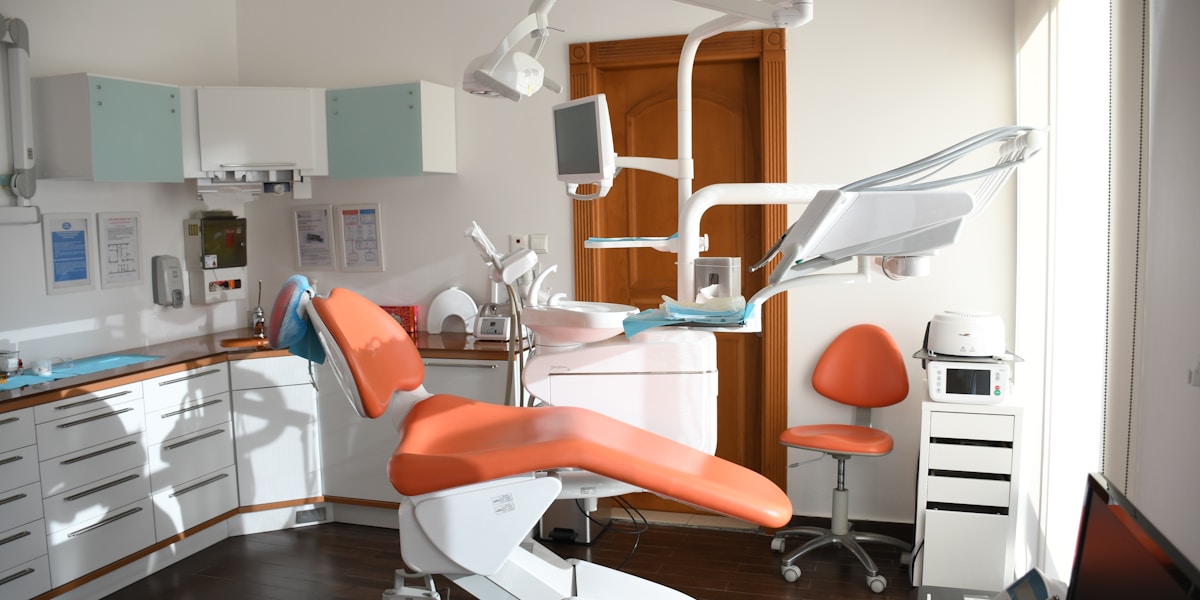
Comprehensive orthodontic treatment to correct misaligned teeth and bite issues using braces and clear aligners for improved oral health and aesthetics.
Orthodontics is the branch of dentistry that focuses on diagnosing and treating malocclusion, or "bad bites." Proper alignment of teeth improves oral health, reduces the risk of cavities, gum disease, and tooth wear, and enhances chewing and speech function. Our experienced orthodontists provide comprehensive treatment using the latest techniques and technologies to achieve optimal results for patients of all ages.
Orthodontists are dental specialists who complete additional training after dental school to focus on bite correction. They do not perform general dentistry treatments like fillings or crowns. Orthodontists undergo 2-3 years of specialized training in orthodontics and dentofacial orthopedics, focusing exclusively on tooth movement, jaw alignment, and facial development. This specialized expertise ensures the most effective and safe orthodontic treatment.
Children should have their first orthodontic evaluation by age 7. Early assessment allows orthodontists to monitor development and intervene if needed to reduce the complexity of future treatments. Early evaluation can identify issues such as crowding, spacing problems, bite issues, and jaw growth concerns. Early intervention may include space maintainers, palate expanders, or limited braces to guide proper development and potentially avoid more extensive treatment later.
Our orthodontists treat various alignment and bite issues:
We offer comprehensive orthodontic treatment options:
Classic orthodontic treatment using metal brackets and wires to gradually move teeth into proper alignment. Effective for all types of orthodontic problems with reliable results.
Clear or tooth-colored braces that blend with natural teeth for a more aesthetic appearance while providing the same effectiveness as metal braces.
Custom-made, removable clear aligner trays that gradually move teeth into alignment. Nearly invisible and removable for eating and oral hygiene.
Braces placed on the inner surface of teeth, making them completely hidden from view while providing effective orthodontic treatment.
Devices used in children to widen the upper jaw, creating space for proper tooth alignment and often preventing the need for tooth extraction.
Devices used in children to maintain space for permanent teeth when baby teeth are lost prematurely, preventing crowding and alignment issues.
Custom-made devices worn after active orthodontic treatment to maintain teeth in their corrected positions and prevent relapse.
Early intervention treatment for children that addresses issues in two phases - first in childhood and second in adolescence - for optimal results.
Correct Misalignment: Braces and clear aligners effectively correct misaligned teeth and bite issues for improved function and aesthetics. Proper alignment reduces the risk of cavities, gum disease, and tooth wear.
Follow Treatment Schedule: Regular adjustments for braces or timely aligner changes are essential to ensure proper tooth movement. Missing appointments or not changing aligners on schedule can delay treatment.
Maintain Excellent Oral Hygiene: Braces can trap plaque, so brushing, flossing, and dental check-ups are crucial throughout treatment. Good oral hygiene prevents cavities and gum problems during orthodontic treatment.
Be Patient During Treatment: Treatment duration varies depending on complexity, typically ranging from 12 to 24 months. Patience and commitment to the treatment plan ensure optimal results.
Use Retainers Post-Treatment: Retainers are necessary after active treatment to maintain teeth in their corrected positions. Consistent retainer use prevents teeth from shifting back to their original positions.
Villa 2 Al Athar Street - Jumeirah - Jumeirah 3 - Dubai - United Arab Emirates
