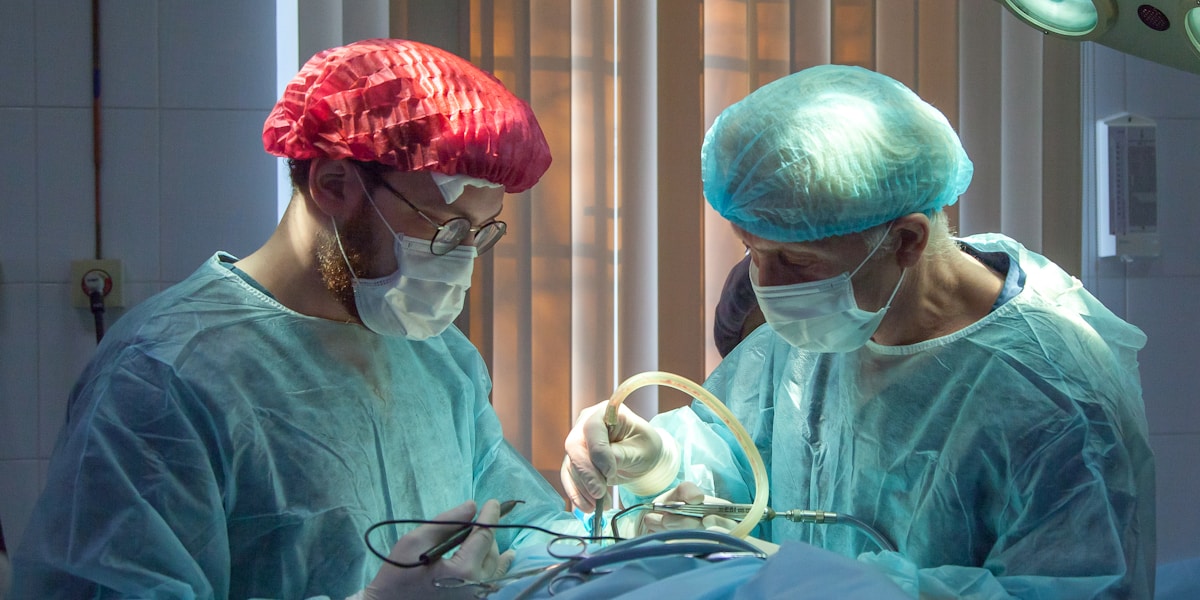
Comprehensive diagnosis and treatment of digestive system disorders affecting the stomach, intestines, liver, gallbladder, pancreas, and esophagus.
Gastroenterology is the branch of medicine focused on diagnosing and treating disorders of the digestive system. It covers conditions that affect organs such as the stomach, intestines, liver, gallbladder, pancreas, and esophagus. Because of this wide scope, gastroenterology plays a key role in managing many common and complex diseases.
Gastroenterology covers a broad range of conditions affecting the digestive system. The main disorders include:
Visual examination of the digestive tract using a flexible tube with a camera to diagnose and treat conditions affecting the esophagus, stomach, and intestines.
A specialized procedure to diagnose and treat problems in the liver, gallbladder, bile ducts, and pancreas using endoscopy and X-rays.
Combines endoscopy and ultrasound to obtain detailed images of the digestive tract and surrounding organs for accurate diagnosis.
A non-invasive procedure using a small camera pill to examine the small intestine, particularly useful for detecting bleeding or inflammation.
An advanced endoscopic technique that allows deep examination of the small intestine for diagnosis and treatment of complex conditions.
Tests that measure muscle contractions in the esophagus and anus to diagnose motility disorders and swallowing problems.
A procedure to obtain a small sample of liver tissue for microscopic examination to diagnose liver diseases and assess their severity.
Removal of polyps from the colon or stomach during endoscopy to prevent cancer development and treat existing conditions.
Placement of expandable tubes to open narrowed areas in the digestive tract, improving passage of food and fluids.
Various techniques including variceal ligation, sclerotherapy, hemoclip application, and argon plasma coagulation to stop bleeding in the digestive tract.
Placement of a feeding tube directly into the stomach through the abdominal wall for patients unable to eat orally.
A non-surgical weight loss procedure involving placement of a balloon in the stomach to reduce food intake and promote weight loss.
Specialized procedures to treat conditions affecting the bile ducts and pancreas, including stone removal and drainage procedures.
Don't Ignore Digestive Symptoms: Abdominal pain, bloating, and irregular bowel habits may indicate underlying gastrointestinal issues. Early evaluation by a gastroenterologist can prevent complications.
Manage Acid Reflux Carefully: Long-term acid reflux can lead to esophagitis, Barrett's esophagus, or other digestive disorders. Timely management is important to reduce risks.
Support Your Gut with Fibre: A high-fibre diet promotes a healthy gut microbiome, improves digestion, and may reduce the risk of certain gastrointestinal conditions.
Schedule Screening Colonoscopies: Screening colonoscopy is recommended after age 45, or earlier if you have risk factors, to detect polyps or colorectal cancer early.
Villa 2 Al Athar Street - Jumeirah - Jumeirah 3 - Dubai - United Arab Emirates
