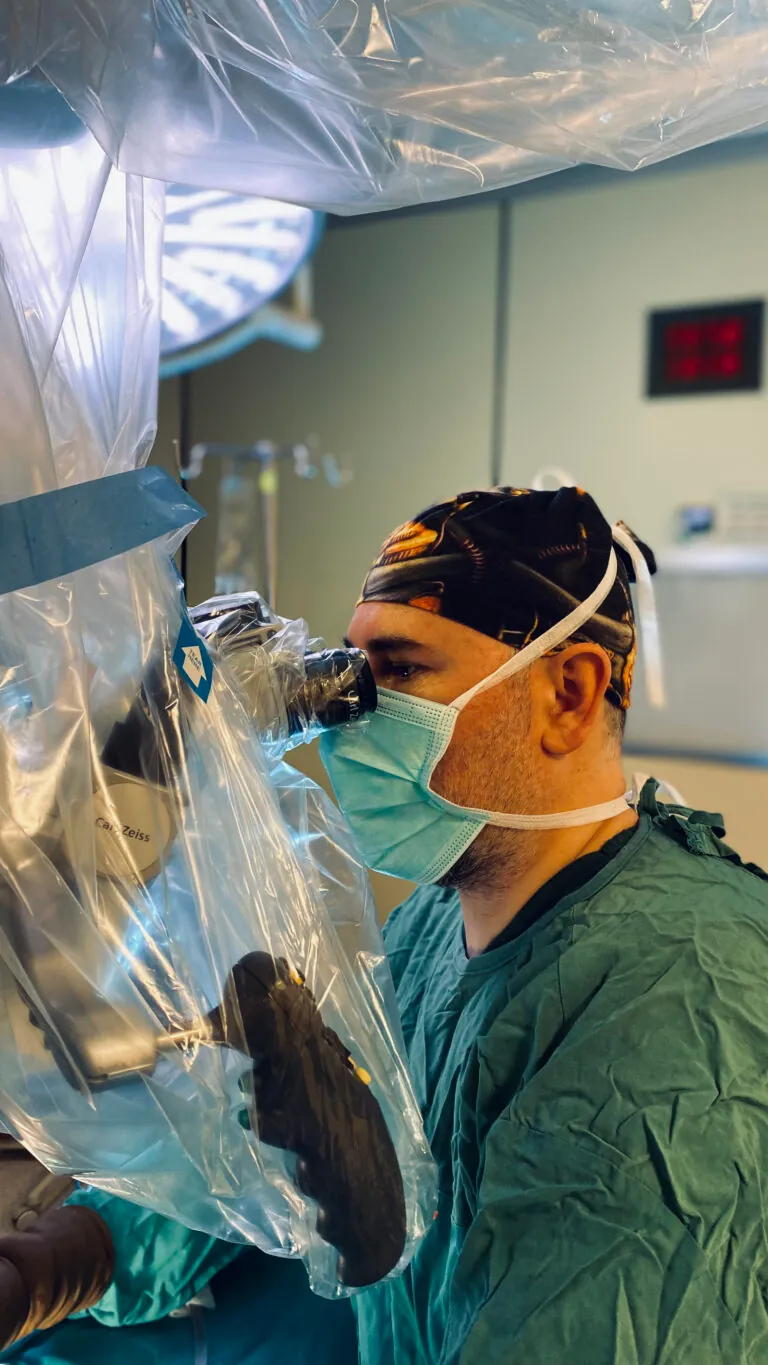
A highly specialized field of medicine requiring advanced training in surgical treatment of diseases affecting the human nervous system.
Brain and Neurosurgery is a highly specialized field of medicine that requires many years of training and expertise. Following six years of medical education, physicians undergo an additional five years of neurosurgical training. This specialization focuses on the surgical treatment of diseases affecting the human nervous system—a complex and delicate network that controls perception, movement, organ functions, sensory processing, and countless other essential activities. The nervous system is divided into two main parts: the central nervous system (brain and spinal cord) and the peripheral nervous system (peripheral nerves and ganglia). Neurosurgeons are responsible for diagnosing and surgically treating conditions that affect any of these structures. Given the complexity of the nervous system, this branch of medicine demands advanced skill and precision.
Neurosurgeons work closely with specialists in neurology and psychiatry to provide comprehensive care. While neurology and psychiatry focus primarily on non-surgical treatment approaches, neurosurgery is dedicated to surgical interventions. Together, these disciplines often collaborate to provide multidisciplinary treatment for patients of all ages. Conditions commonly treated by neurosurgeons include:
A craniotomy involves temporarily removing a portion of the skull to access the brain. Once the surgery is complete, the bone flap is replaced. Conditions such as brain tumors, intracranial hypertension, and post-traumatic hematomas can be treated with this procedure.
Spinal neurosurgery focuses on the surgical treatment of spinal disorders. Conditions such as herniated discs, spinal stenosis, vertebral deformities, tumors, and spinal cord compression may require spinal surgery. Modern techniques aim to reduce risk and improve recovery outcomes.
This branch of neurosurgery addresses disorders of the blood vessels in the brain and spinal cord. Using specialized tools and methods, vascular neurosurgery can treat aneurysms, vascular malformations, and other related conditions.
CSF shunt systems are used to treat hydrocephalus by diverting excess cerebrospinal fluid from the brain to another part of the body. This procedure relieves pressure in the brain and prevents complications associated with fluid buildup.
Stereotactic surgery is a minimally invasive technique that uses three-dimensional coordinates and advanced imaging (such as CT or MRI) to precisely target areas within the brain. It is commonly used for tumor biopsies, lesion treatment, and other highly localized interventions. This approach minimizes incision size, speeds recovery, and lowers complication risks.
Early Diagnosis Matters: Many neurological conditions, such as brain tumors or spinal disorders, can be treated more effectively when detected early. Regular check-ups and timely medical attention can significantly improve outcomes.
Not All Nervous System Diseases Require Surgery: Some conditions can be managed with medication, physical therapy, or non-invasive procedures. Surgery is considered only when necessary and when it offers the best treatment option.
Recovery Is a Step-by-Step Process: After neurosurgery, patients should expect gradual progress. Following medical advice, attending physical therapy, and having patience are key to successful recovery.
Technology Enhances Safety: Modern surgical techniques such as minimally invasive procedures, stereotactic surgery, and advanced imaging systems have significantly improved the safety and success rates of neurosurgical operations.
Multidisciplinary Care Is Common: Neurosurgeons often collaborate with neurologists, radiologists, psychiatrists, and rehabilitation specialists. This team-based approach ensures patients receive the most comprehensive treatment possible.
Villa 2 Al Athar Street - Jumeirah - Jumeirah 3 - Dubai - United Arab Emirates